
Winter Home Preparation Tips to Help Avoid Costly Damage
Winter weather can place sudden demands on a home. A mild day can quickly give way to freezing temperatures, snow, and ice, putting roofs, plumbing, heating equipment, and outdoor areas under added strain. Although no homeowner can control the forecast, completing a few preventive tasks before cold conditions set in can help limit costly repairs and avoidable home insurance claims.
Seasonal upkeep is easy to postpone, but small steps can make a meaningful difference in protecting a property. Two in five homeowners say they have not taken measures in the last five years to safeguard their homes against extreme weather, even as the average yearly cost to own and maintain a single-family home has risen above $18,000. Protecting such an important investment does not always call for an expensive project; routine maintenance is often the most effective place to start.
Have Your Heating System Checked
Your heating system is likely to work harder during winter than at any other point in the year. Arranging an inspection before temperatures fall gives a professional the opportunity to identify minor mechanical concerns or efficiency issues before they turn into a major inconvenience.
Addressing concerns early may help prevent an unexpected loss of heat during the coldest stretch of the season. If your home has an older thermostat, consider replacing it with a programmable or smart model. A more modern thermostat can help maintain a consistent indoor temperature, improve energy efficiency, and potentially lower heating costs.
Take Steps to Prevent Frozen Pipes
Frozen pipes are among the most frequent and costly sources of winter home damage. When water inside a pipe freezes, it expands and can create enough pressure to split or burst the pipe. A burst pipe may release hundreds of gallons of water per hour, causing extensive damage before the issue is noticed.
Insulating pipes that are exposed in unheated areas is one straightforward way to lower the risk. Pay particular attention to plumbing in basements, crawl spaces, garages, and attics. It is also important to keep the home at 65°F or warmer, including when you plan to be away for an extended time. A steady indoor temperature can help protect pipes during periods of extreme cold.
Check Smoke and Carbon Monoxide Alarms
Because heating equipment is used more often in winter, this is an especially important time to focus on home safety. Heating systems are a leading cause of home fires during colder weather, making reliable smoke and carbon monoxide detectors essential for every household.
Before winter begins, test the detectors throughout your home and replace batteries as needed. Confirming that each device is functioning properly takes only a few minutes, yet it can provide important protection for your family throughout the season.
Clear Gutters and Downspouts
Leaves, twigs, and other debris can accumulate in gutters during the fall. When snow, ice, or winter rain arrives, clogged gutters can keep water from draining as intended. The resulting backup may move onto the roof or pool near the foundation.
Cleaning gutters and downspouts before freezing weather begins helps channel water safely away from the house. This simple task may reduce the risk of water intrusion and help protect the roof and foundation from unnecessary damage. It can also be a helpful time to review whether your home insurance coverage still reflects the protection your property needs.
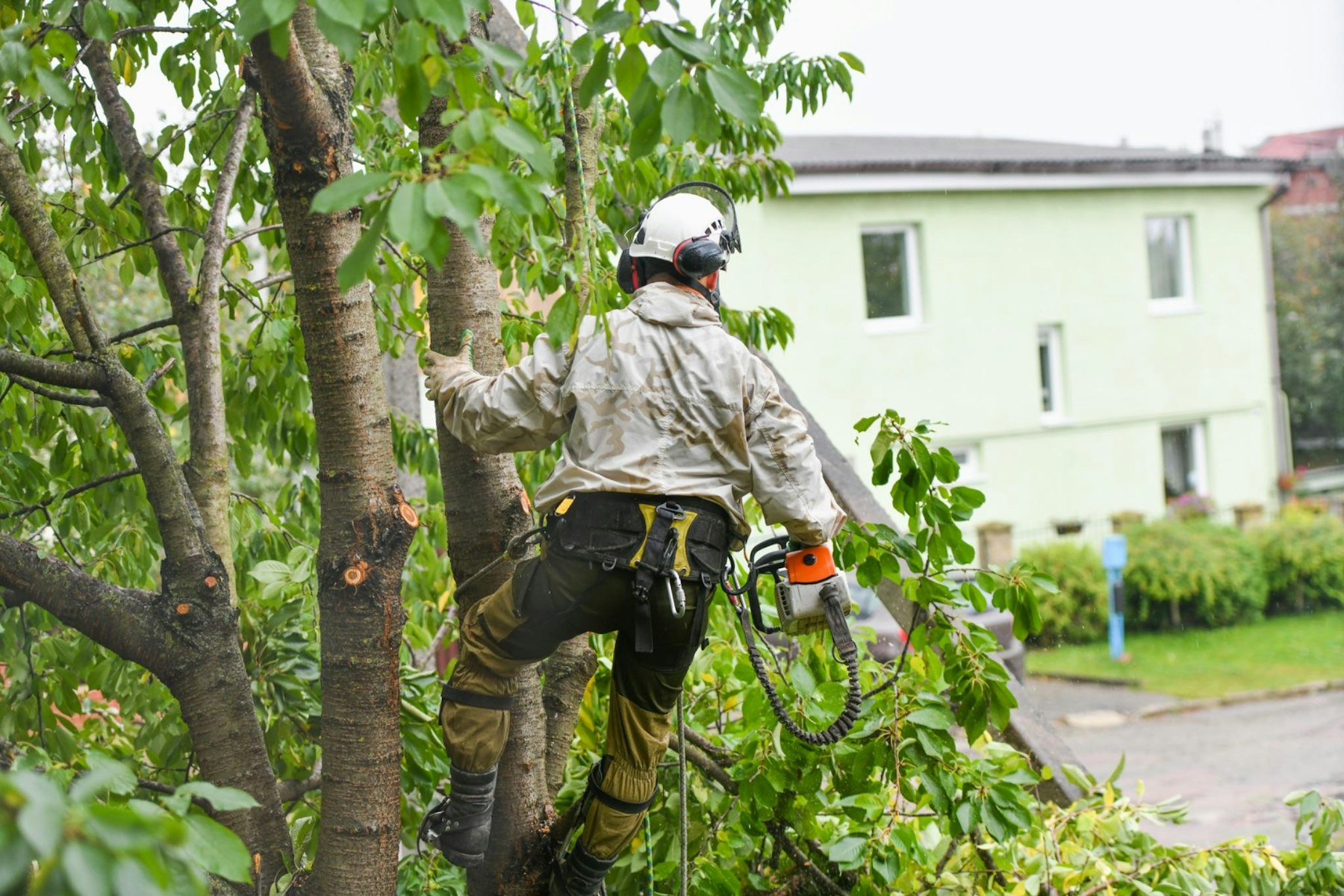
Prune Risky Tree Branches Before Storms
Trees can add value, beauty, and shade to a property, but dead, damaged, or overhanging branches may become dangerous in winter conditions. Snow, ice, and high winds can weigh down weakened limbs and cause them to break without warning. Falling branches can damage roofs, siding, fences, vehicles, and other structures.
Removing dead or compromised branches before winter storms arrive can reduce those risks. Regular pruning also supports healthier tree growth and can make year-round property maintenance more manageable.
Simple Winter Maintenance Can Protect Your Investment
Getting a home ready for winter does not need to involve major renovations or significant expense. Focusing on several practical preventive measures can help limit common cold-weather issues while protecting one of your most valuable assets.
A heating inspection, pipe insulation, tested safety devices, clean gutters, and properly maintained trees can all help a home handle winter conditions more effectively. These tasks generally require modest time and attention, but they can offer valuable peace of mind when the weather turns severe.
Thomas McKee Insurance helps homeowners in Havertown, PA, review their home insurance protection and understand the coverage they have in place. If you have questions about preparing your property for winter or would like guidance while reviewing your homeowners coverage, contact our team. We are here to help you protect your home with confidence when it matters most.