
A Smart Insurance Refresh for Your Favorite Summer Toys
Get Ready for Adventure Season With the Right Protection
Summer plans tend to take shape quickly. One weekend you’re casually talking about getting out on the water, and the next you’re booking campsites, loading gear, and heading toward your next adventure. Whether you enjoy boating, RV travel, motorcycle rides, or exploring trails on your ATV, these warm-weather toys open the door to excitement—and responsibility. Many people assume their home or auto insurance automatically covers these vehicles, but that’s often not the case.
Before your calendar fills up, it’s a good idea to pause and review how well your summer toys are protected. A quick insurance check now can help you avoid costly surprises later. Below is a breakdown of how coverage typically works for popular recreational vehicles—and why separate policies often make sense.
Why These Vehicles Usually Need Their Own Policies
Seasonal vehicles aren’t used the same way as your primary car or home. They face unique risks from weather, theft, accidents, and liability issues, and these exposures don’t always fit neatly into a standard home or auto policy. When a policy excludes or limits coverage, any losses or liability claims may fall directly on you, creating unexpected financial stress.
Specialized policies are designed with these risks in mind. They consider how often the vehicle is used, where it’s kept, and the types of accidents or damage most likely to occur. Going without proper coverage isn’t just risky—it can also lead to legal issues depending on state requirements.
Boat Insurance: Covering You On Shore and At Sea
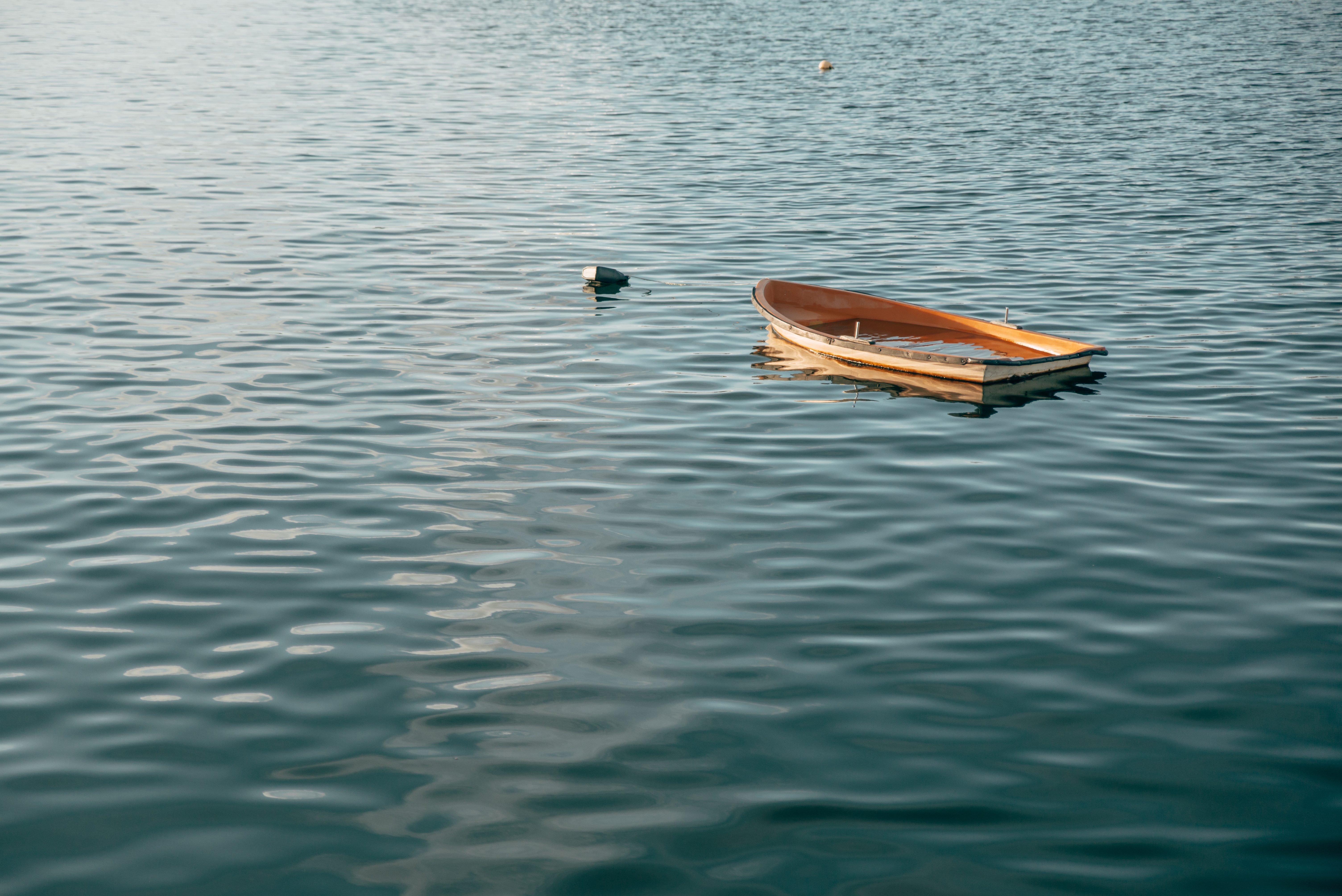
Boat insurance functions similarly to auto insurance, offering protection for both the vessel and potential liability risks. Most policies include two main components: physical damage coverage and liability protection.
Physical damage coverage helps repair or replace your boat if it’s harmed by storms, theft, vandalism, collisions, or similar events. Many policies also add medical payments coverage to help with injuries sustained by you or your passengers.
Liability coverage protects you if you accidentally injure someone or cause property damage while operating your boat. Some insurers also offer uninsured or underinsured boater coverage, which helps pay for losses caused by another boater who lacks adequate insurance.
You can often add extra protections like towing assistance, emergency services, and coverage for fishing equipment, trailers, or personal items onboard. When applying for coverage, insurers typically ask about your boat’s size, engine type, value, intended use, storage location, and your boating experience.
It’s equally important to understand common exclusions. Wear and tear, damage from poor maintenance, and gradual deterioration usually aren’t covered. Coverage may also vary based on where and when you operate your boat. If you transport your boat on a trailer, double-check how coverage applies during loading, hauling, and storage.
RV Insurance: Tailored to Your Style of Travel
RVs—whether motorhomes or travel trailers—need coverage that reflects how they’re used. RV policies can help with accident-related damage, weather events, theft, and liability claims. They can also protect against injuries or property damage caused while the RV is parked at a campsite.
For motorhomes, liability insurance is required in most states. Comprehensive and collision coverage, while optional, are often necessary if your RV is financed. Comprehensive coverage typically applies to incidents like vandalism, fire, theft, animal collisions, and severe weather. Collision coverage helps pay for damage resulting from hitting another vehicle or object.
For travel trailers, things work differently since they don’t have their own engine. The liability coverage generally comes from the vehicle towing the trailer. Trailer-specific insurance typically won’t include liability while in tow, which leads many owners to add vacation liability protection for when the trailer is parked.
Additional RV policy options may include medical payments, uninsured or underinsured coverage, roadside assistance, emergency expense reimbursement, and protection for belongings stored inside the RV. Some policies even extend to pets. Common exclusions include wear and tear and moisture-related issues like mold or rot.
Motorcycle Insurance: Essential for Every Rider
Motorcycle insurance covers damage to your bike—whether it’s a motorcycle, scooter, or moped—and offers liability protection if you’re responsible for injuries or property damage. In almost all states, having motorcycle insurance is legally required.
Riding without insurance can lead to fines, suspended licenses, lawsuits, and in some areas even jail time. Most riders maintain at least the state-required liability limits, even for older motorcycles. Comprehensive and collision coverage are optional unless your bike is financed, in which case your lender will typically require both.
Your premium will depend on factors like location, age, driving experience, bike type, and your coverage limits. Regardless of your motorcycle’s value, proper coverage helps protect you from significant financial issues following an accident or theft.
ATV Insurance: A Common Blind Spot for Owners
ATVs often fall into a gray area when it comes to insurance. Many people assume their homeowners policy covers them, but that coverage is usually extremely limited—and often only applies if the ATV stays on your property. This is why many owners choose a separate policy that provides consistent protection wherever they ride.
ATV insurance may include liability coverage, comprehensive protection, collision coverage, uninsured or underinsured motorist protection, and medical payments. Collision coverage generally applies to damage that affects how the ATV functions, while comprehensive protection covers non-collision incidents like fire or theft and may include permanently attached accessories.
Medical payments coverage can help address treatment costs following an ATV accident, regardless of who was at fault. If you haul your ATV by trailer, be sure to confirm whether damage during transportation is covered or if separate trailer insurance is needed.
A Little Preparation Goes a Long Way
It’s easy to overlook insurance details when you’re eager to get outside and enjoy your favorite activities. But skipping proper coverage for your summer toys can expose you to expensive repairs, medical bills, and legal complications. Taking a few minutes now to review your policies can help ensure your summer is filled with fun—not financial headaches.
If you’re unsure whether your boats, RVs, motorcycles, or ATVs are properly insured for the season ahead, give our office a call. We’re here to help you enjoy a safe, carefree summer full of adventure.